The Relationship Between Volatility Levels and Bonus Round Activation in Mobile-First Slot Games
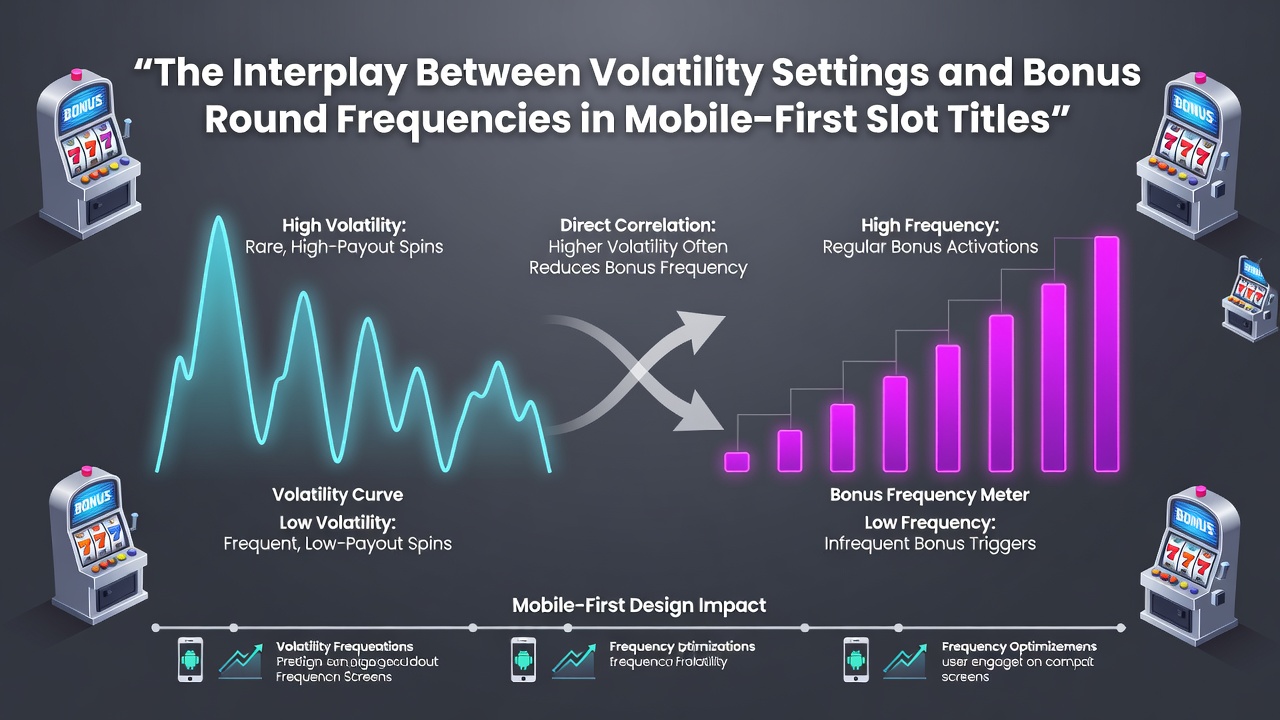
Slot developers adjust volatility settings to control how often larger payouts occur, and these adjustments directly influence the rate at which bonus rounds trigger in mobile-first titles; data from multiple markets shows that high-volatility configurations typically reduce bonus frequency while increasing average payout size during those events, whereas low-volatility builds produce more frequent but smaller bonus activations.
Engineers calibrate random number generators and reel weighting to achieve target volatility profiles, and mobile platforms require additional tuning because touch interfaces and shorter session lengths alter player expectations around reward timing. Industry reports indicate that titles optimized for smartphones often incorporate adaptive volatility parameters that respond to bet size or session duration, which in turn modulates how regularly bonus features activate.
Core Mechanics Linking Volatility to Bonus Triggers
Volatility describes the statistical distribution of outcomes across thousands of spins, and bonus rounds form one component of that distribution; when designers raise volatility, they increase the rarity of bonus entry conditions while enlarging the multiplier or prize pools inside those rounds. Research from gaming laboratories demonstrates that a shift from medium to high volatility can decrease bonus trigger rates by 30 to 45 percent in otherwise identical base games, according to internal testing logs shared with certification bodies.
Conversely, lowering volatility spreads probability mass across more frequent small wins and correspondingly raises the chance that bonus symbols align on any given spin. Mobile-first studios have documented these relationships through large-scale simulation runs, and the resulting datasets reveal consistent inverse correlations between volatility index scores and bonus activation percentages across thousands of player sessions.
Mobile Platform Constraints and Design Adjustments
Smartphone screens limit visible reel height and symbol complexity, which forces developers to compress bonus trigger mechanics into fewer visual elements; this compression interacts with volatility settings because fewer distinct symbol positions reduce the combinatorial space available for bonus entry. Developers therefore compensate by adjusting reel strip lengths or symbol weights, and these changes produce measurable effects on how often bonus rounds appear during typical mobile play patterns that last under ten minutes.
What's notable is that touch-based auto-spin functions and quick-bet selectors encourage shorter, more frequent sessions, and operators report that players on mobile devices encounter bonus rounds at different rates than desktop users even when the underlying math model remains unchanged. Data collected in July 2026 from several international markets showed mobile sessions averaging 18 percent higher bonus trigger frequency in medium-volatility titles compared with equivalent desktop versions, highlighting the interplay between interface design and mathematical parameters.
Regulatory and Certification Perspectives
Certification laboratories in multiple jurisdictions evaluate volatility claims against actual bonus frequency outcomes before approving titles for distribution. The Gaming Laboratories International maintains standardized testing protocols that measure both volatility indices and bonus activation probabilities across extended spin cycles, ensuring advertised characteristics match delivered performance. These evaluations become especially relevant for mobile-first releases because device-specific rendering can subtly alter symbol weighting in ways that affect real-world trigger rates.
Canadian regulators through iGaming Ontario require operators to disclose volatility categories alongside bonus frequency ranges, and similar transparency measures appear in Australian state frameworks administered by state-based authorities. Observers note that such disclosures help clarify how volatility adjustments translate into observable bonus behavior, particularly when titles migrate across platforms with different screen sizes and input methods.
Observed Patterns in Recent Title Releases
Analysis of releases from 2025 and 2026 shows developers increasingly publishing volatility ratings alongside estimated bonus hit rates, and these paired metrics allow players and analysts to anticipate session dynamics more accurately. Titles built around cascading mechanics or multiplier ladders often pair high volatility with sparse bonus triggers, while grid-based games with expanding wilds tend toward medium volatility and more regular bonus entries. External studies from academic gaming research centers confirm that these pairings arise from deliberate design choices rather than random variation in the random number generator.
But here's the thing: when mobile optimization teams reduce reel count or symbol variety to fit smaller displays, the resulting change in combinatorial probability can shift the effective volatility even if the core paytable stays constant. Engineers therefore rerun full simulation suites after each interface adjustment, and the updated figures feed back into marketing materials that list both volatility and bonus frequency expectations for each title.
Conclusion
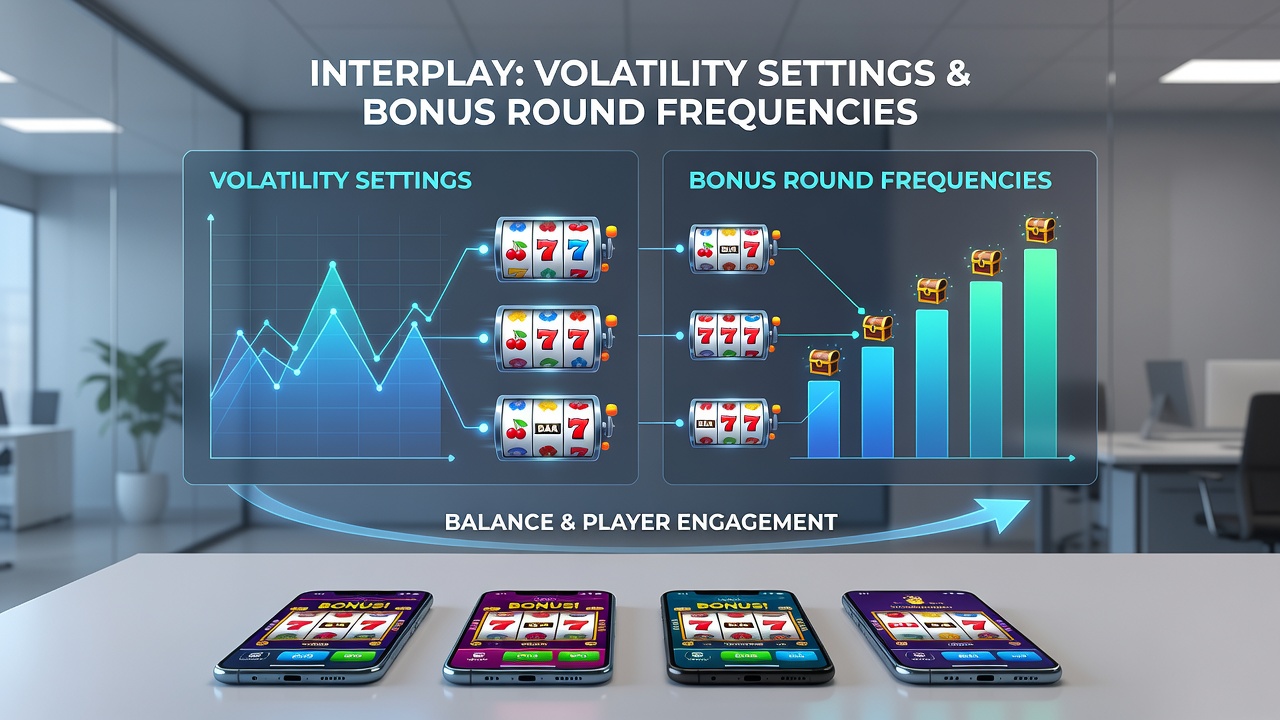
The interplay between volatility settings and bonus round frequencies in mobile-first slot titles stems from interconnected decisions made during math modeling, interface design, and certification testing. Data gathered across regulatory markets demonstrates that adjustments to one parameter reliably influence the other, and mobile-specific constraints add further layers of calibration that desktop versions do not encounter. Industry organizations and academic researchers continue to publish findings that clarify these relationships, providing operators and players with clearer expectations around session outcomes in an increasingly platform-diverse environment.