The Evolution of Branded Slot Experiences: From Movie Tie-Ins to Exclusive Casino Partnerships
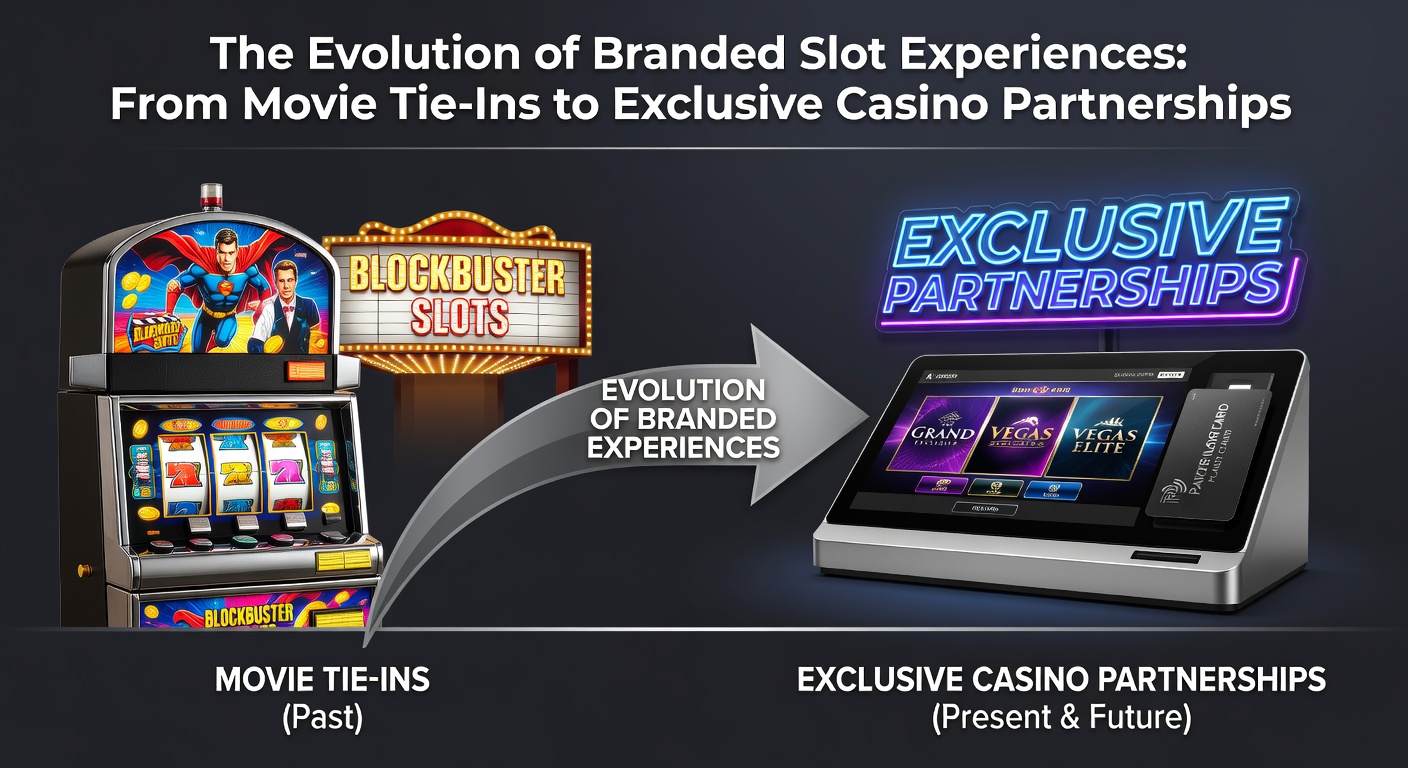 The transition from basic movie tie-ins to sophisticated exclusive casino partnerships marks a significant shift in how slot experiences develop and reach players around the world. Early examples relied on licensing popular films to attract attention through familiar characters and storylines, whereas later models incorporated deeper integrations that extend beyond visual themes into gameplay mechanics and venue-specific offerings. This progression reflects broader changes in licensing agreements, technology, and operator strategies that have unfolded over several decades. Initial movie tie-ins appeared prominently during the 1990s and early 2000s when manufacturers secured rights to titles such as Jurassic Park and The Godfather. These games featured reel symbols drawn directly from film imagery along with soundtracks pulled from the original scores, yet the underlying mathematics and bonus structures remained similar to standard titles. Data from industry reports indicate that such licensed products accounted for a growing share of floor space in land-based casinos by the mid-2000s, driven by increased player recognition rather than unique features. By the 2010s digital platforms expanded these concepts through online versions that added interactive elements like video clips triggered during bonus rounds. Developers began experimenting with narrative progressions that mirrored plot points from source material, creating sequences where players advanced through story stages based on spin outcomes. Research from university studies on digital entertainment shows these additions increased session durations in controlled tests compared to non-branded alternatives. Exclusive casino partnerships emerged as a distinct phase around 2015 when operators sought differentiation in competitive markets. Instead of relying solely on film licenses, venues negotiated direct deals with game studios to produce custom content available only at specific properties or online brands. These arrangements often included revenue-sharing models that tied payouts and jackpot contributions to the partnership terms. Figures from the American Gaming Association reveal that such exclusive titles contributed to measurable increases in player retention metrics at participating locations through 2025.
Key Technological and Licensing Shifts
Advancements in game engines allowed developers to embed branded elements more seamlessly into core mechanics rather than treating them as surface-level additions. Progressive jackpot systems linked across multiple sites incorporated branded triggers that activated during themed events, while mobile compatibility ensured consistent access regardless of device. Observers note that these technical upgrades coincided with regulatory updates in various jurisdictions that clarified licensing requirements for digital content.
Partnership structures evolved to include co-branded marketing campaigns and loyalty program integrations where players earned points redeemable only within the partnered ecosystem. In June 2026 several major operators announced expansions of these models to include live casino hybrids that blend slot elements with branded table game features. This approach created hybrid experiences that combined random number generation with interactive components drawn from entertainment properties.Regional Variations in Adoption
European markets adopted exclusive partnerships earlier than some North American regions due to differences in online gaming regulations. Australian operators followed with venue-specific titles that incorporated local cultural references alongside international film licenses. Canadian provincial frameworks supported similar developments through controlled pilot programs that tracked player engagement data across partnered platforms.
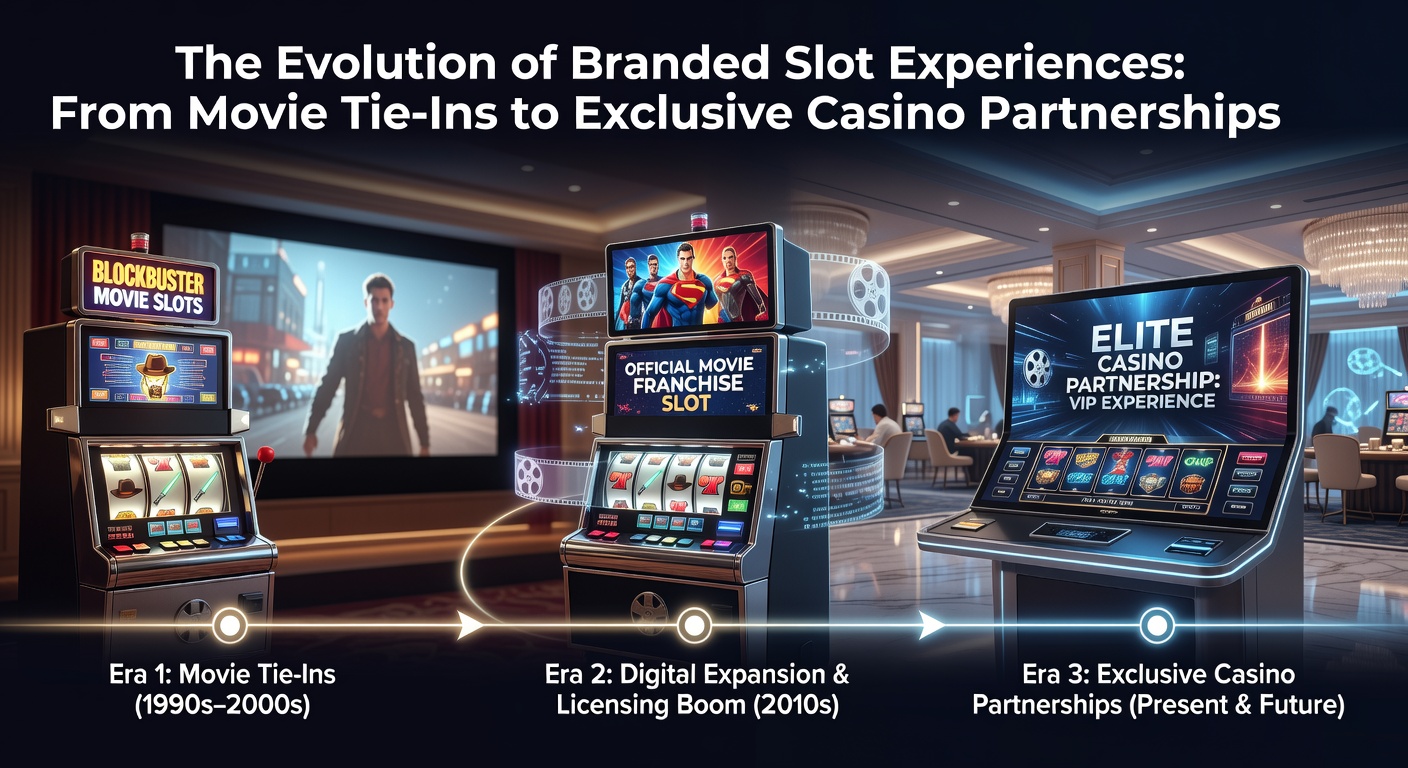 Industry organizations such as the American Gaming Association have documented how these partnerships influence floor layouts and digital catalogs. Reports highlight shifts toward fewer but more specialized titles that emphasize depth over breadth in content offerings.
Current Landscape and Data Trends
By mid-2026 exclusive partnerships represent a substantial portion of new slot releases according to aggregated market analyses. These titles frequently feature unique bonus structures tied to the partner brand, including limited-time events that reset on scheduled cycles. Academic papers examining player behavior patterns indicate that such exclusivity can influence choice architecture in both physical and virtual environments.
The move toward deeper integrations continues as studios and operators refine collaboration frameworks. Examples include titles where jackpot contributions fund branded events or where player achievements unlock digital collectibles connected to the source property. These developments build on earlier movie tie-in foundations while introducing layers of customization previously unavailable in standard slot formats.Conclusion
The evolution from movie tie-ins to exclusive casino partnerships demonstrates how licensing, technology, and market competition have reshaped slot experiences over time. Data from multiple regulatory and industry sources confirm steady growth in specialized content that prioritizes integration depth and venue exclusivity. This trajectory suggests continued refinement in how branded elements combine with core game systems to meet evolving player expectations across global markets.