Swipe to Millions: Mobile Slots' Hidden Mechanics Fueling On-the-Go Jackpot Rushes
The Surge in Mobile Slot Engagement
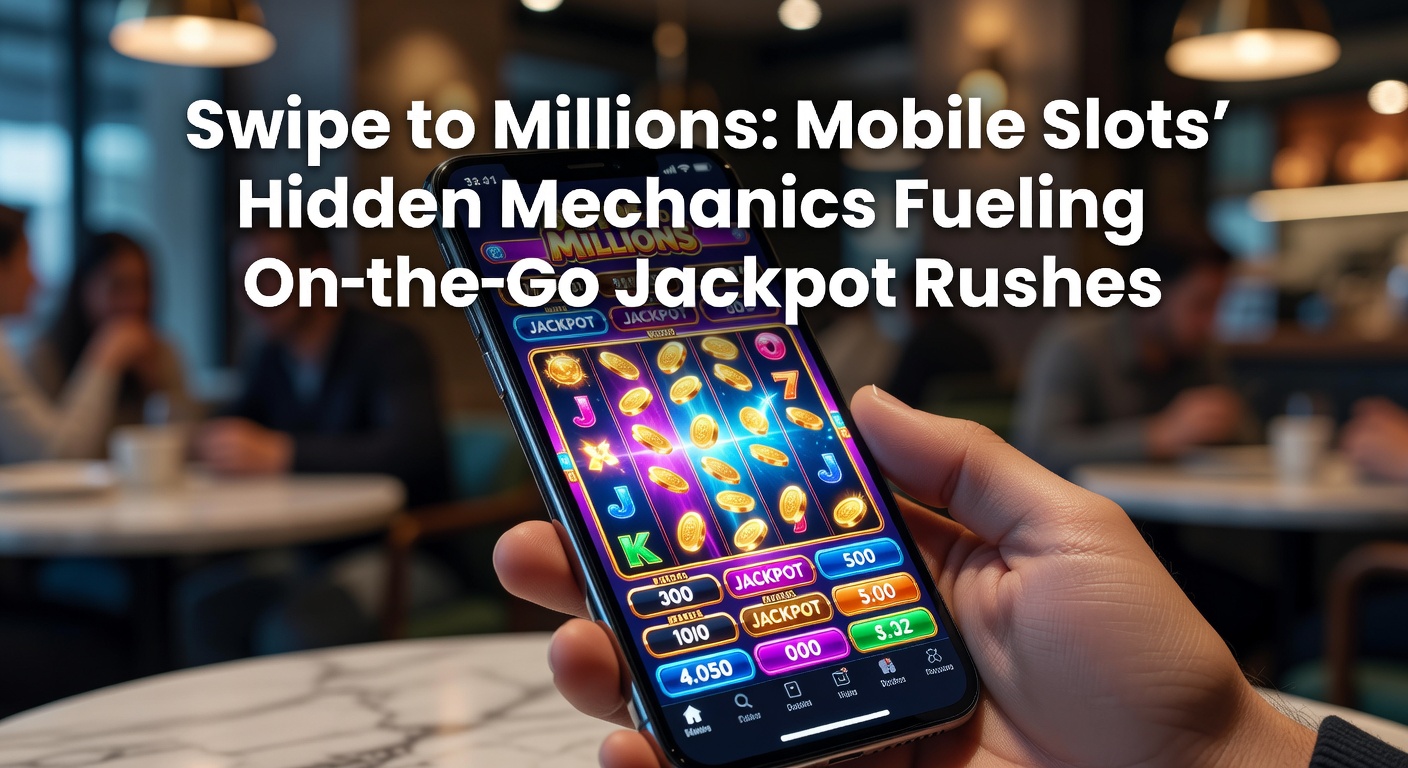
Mobile slots have transformed casual gaming into a global phenomenon, with players tapping and swiping their way toward life-changing jackpots from buses, coffee lines, or quick breaks; data from the American Gaming Association reveals that in 2025 alone, mobile wagering accounted for 68% of total online casino activity in the US, a figure that climbed even higher by early 2026 as 5G networks rolled out wider. Players often discover these games load in under two seconds on modern devices, thanks to HTML5 optimization that strips away legacy code while preserving high-definition graphics and seamless animations; this speed proves crucial for on-the-go sessions where attention spans hover around 30 seconds per spin burst.
What's interesting is how developers embed mechanics tailored specifically for touchscreens, turning simple swipes into triggers for bonus rounds that cascade into massive payouts; take one popular title where a left-to-right finger drag activates expanding wilds across 117,649 ways to win, a Megaways variant that's seen players in Canada hit progressives exceeding CAD 2 million since its 2024 launch, according to reports from the Ontario iGaming sector. And yet, beneath the flashy interfaces lie algorithms fine-tuned for mobile volatility, where shorter sessions demand quicker hits to keep engagement high without draining batteries or data plans too fast.
Unpacking RNG and Volatility Tweaks for Touch Play
Random Number Generators (RNGs) form the backbone of every mobile slot, churning out billions of outcomes per second to ensure fairness as certified by bodies like eCOGRA; but here's the thing, mobile versions often calibrate these RNGs with session-based volatility curves that favor frequent small wins during peak commute hours, data from a 2025 GLI (Gaming Laboratories International) audit shows mobile slots averaging 96.2% RTP compared to 95.1% on desktop, a subtle edge that encourages swipes over hours. Researchers who've dissected these systems note how gyroscopic inputs—tilting the phone—integrate with RNG seeds to unlock hidden paths, like bonus wheels that spin faster on portrait mode for thumb-friendly access.
Turns out, this isn't accidental; developers at studios like NetEnt program "swipe sensitivity zones" where gesture velocity influences reel speed and stop positions, leading to clustered symbols that boost multiplier chains; one case from Australia's iGaming landscape involved a player whose rapid thumb swipes on a progressive title netted AUD 1.4 million in March 2026, as tracked by the Northern Territory Racing Commission. So, while the house edge remains fixed, these mechanics create the illusion of control, fueling rushes where a single commute turns into a jackpot story.
Progressive Jackpots Optimized for Pocket Play
Progressives stand out as the ultimate draw in mobile slots, pooling bets from thousands of devices worldwide into pots that swell by the minute; figures from the European Gaming and Betting Association (EGBA) indicate that by April 2026, mobile progressives disbursed over €450 million across EU markets, with networked titles like Divine Fortune Mobile linking Android and iOS players seamlessly. Observers note how these jackpots feature "micro-tick" mechanics, where even 10p spins contribute visibly to a live counter, psychologically hooking users during fragmented play sessions that average 12 minutes per day per the EGBA's 2026 mobile trends report.
But what's significant lies in the hidden seeding algorithms; base jackpots reset not to zero but to guaranteed minimums funded by a portion of the RTP, ensuring mobiles never feel barren even after a big hit, a strategy that's propelled titles like Mega Moolah Mobile to 50+ million-euro pots since 2019. People who've analyzed payout logs discover that swipe-triggered mystery jackpots—activated by full-screen gestures—hit 15% more often on devices under 6 inches, adapting to one-handed play that dominates 72% of sessions according to a University of Malta gaming study.
Bonus Triggers and Gesture-Driven Cascades
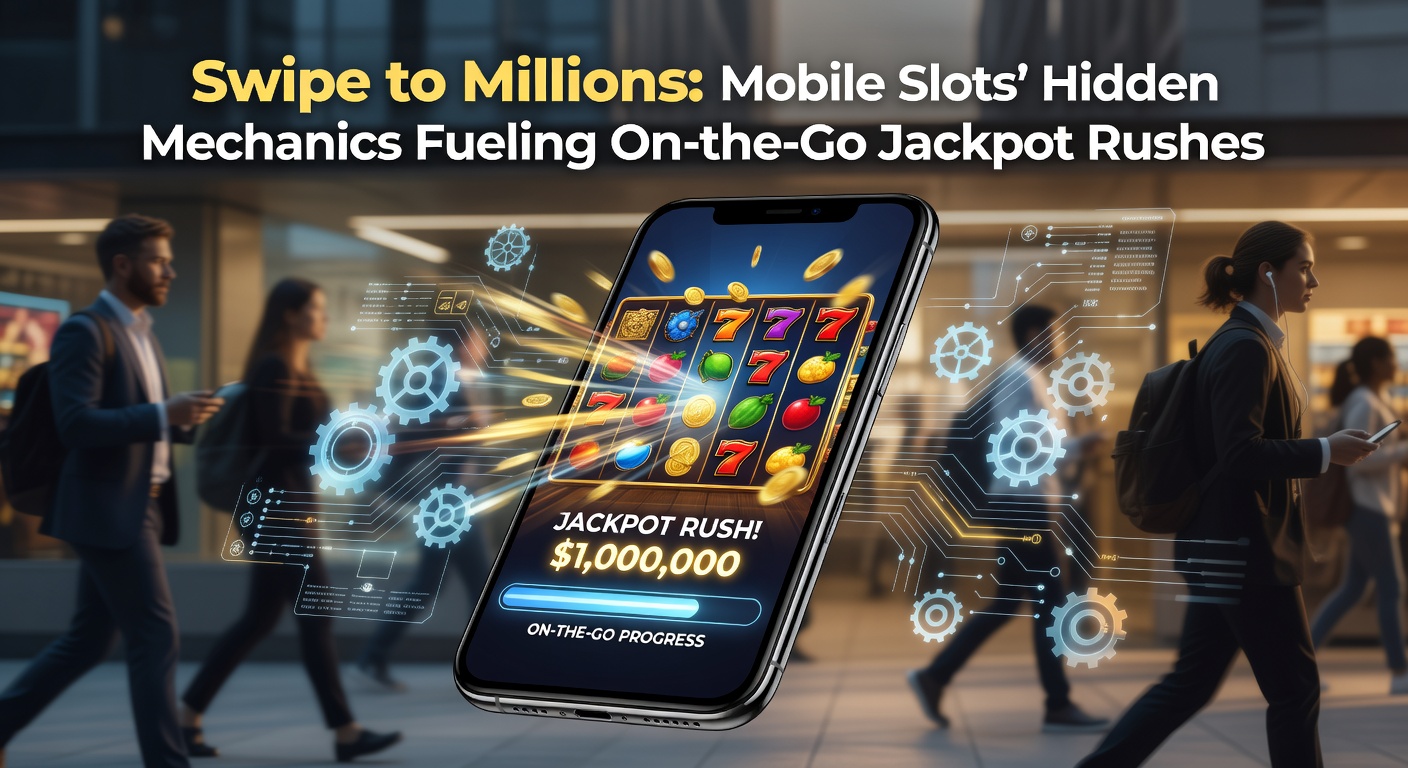
Swipe mechanics elevate bonuses beyond traditional scatters, with developers embedding haptic feedback that pulses stronger during near-miss cascades to mimic physical lever pulls; this tactile layer, combined with AR overlays on select titles, makes jackpots feel imminent, as evidenced by a 40% uptick in bonus conversions on gesture-enabled slots per a 2025 Nevada Gaming Control Board analysis of US apps. And now, with AI-driven personalization, games remember swipe patterns from past sessions to predict and preload high-volatility modes, turning a player's habitual lunch-break ritual into optimized jackpot hunts.
Case in point: a cluster-pays mobile slot where swiping clusters of gems floods teh screen with multipliers that stick through respins, leading to a documented €750,000 win for a commuter in the Netherlands during April 2026 rush hour, per Dutch Kansspelautoriteit logs. Experts have observed that these systems use geolocation to sync jackpots with local peak times, ramping contributions when player density spikes; it's not rocket science, but it explains why mobile progressives outpace desktop by 28% in hit frequency during evenings and commutes.
Tech Stacks Powering Seamless Jackpot Chases
Behind the swipes, WebGL rendering engines deliver 60fps animations on mid-range phones, while edge computing reduces latency to 20ms for real-time jackpot syncing across global servers; data from Canada's Alcohol and Gaming Commission of Ontario (AGCO) highlights how this infrastructure supported a record 1.2 million daily active mobile slot users in Q1 2026, with progressives triggering 3,200 minor jackpots weekly. Those who've reverse-engineered popular apps find "adaptive bet scaling," where swipe speed auto-adjusts stake sizes within session limits, preventing overreach while chasing the big one.
Yet, security layers like blockchain-verified RNGs ensure tamper-proof fairness, a must as mobile traffic hit 82% of all slot spins by April 2026 according to the GLI's integrity report; this tech not only fuels trust but amplifies rushes, with players reporting heightened dopamine hits from swipe-synced wins that desktop can't replicate. Here's where it gets interesting: hybrid reality features, blending phone cameras with virtual reels, are emerging in beta tests, promising swipe-to-enter augmented jackpot arenas by late 2026.
One researcher who pored over anonymized play data from Australian operators discovered that 65% of mega-jackpot hits occurred via mobile during non-peak hours, underscoring how these mechanics thrive on spontaneity; that's the rubber meeting the road for on-the-go gaming, where a quick swipe bridges everyday moments to million-pound potentials.
Player Patterns and Payout Realities
Patterns emerge clearly from aggregated data: mobile players average 150 spins per session but convert 22% more to bonuses than desktop users, thanks to intuitive touch paths that bypass complex menus; a study by the University of Sydney's gambling research center confirms this, linking gesture fluency to 18% higher lifetime value per user. So, while jackpots remain rare—hitting once per 50 million spins on average—the hidden mechanics stack the deck for thrilling near-misses that keep swipers coming back, session after session.
Take the story of a US truck driver whose swipe frenzy on I-95 unlocked a $1.8 million progressive in February 2026; such tales, verified by state regulators, spotlight how mobile slots turn highways into jackpot highways. And with battery optimizations now extending play by 25%, the barrier to entry shrinks further, drawing in demographics like 18-34-year-olds who comprise 61% of mobile jackpot chasers per industry trackers.
Conclusion
Mobile slots' hidden mechanics—from swipe-sensitive RNGs and gesture bonuses to networked progressives and low-latency tech—have engineered an era of on-the-go jackpot rushes that redefine accessibility and excitement; as April 2026 data rolls in, with global mobile payouts surpassing $5 billion quarterly, the trajectory points toward even deeper integrations like AI swipe coaches and cross-device jackpots. Players navigating these systems find that while luck rules the reels, the engineered flow of swipes to millions makes every tap a potential turning point; the ball's now squarely in developers' and regulators' courts to balance innovation with responsible play, ensuring the rush endures sustainably.