Smartphone Integration Redefining Entry Points to Pooled Jackpot Networks in Reel Play
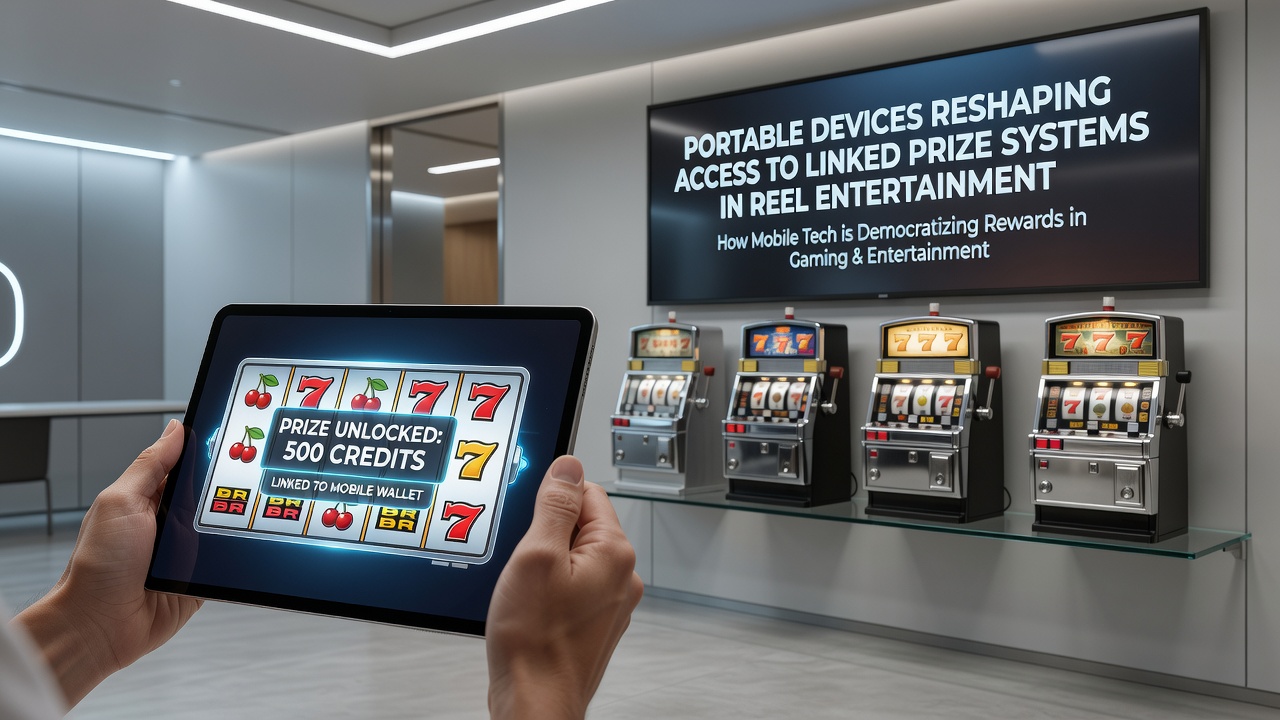
Portable devices have altered how players connect to linked progressive jackpot systems in reel entertainment, and data from multiple jurisdictions shows rising participation rates through mobile channels. Networked prize pools now draw contributions from devices across wide geographic areas, which allows operators to aggregate bets into larger shared pots than earlier land-based configurations permitted. Figures released in early 2026 indicate that mobile access accounts for over 70 percent of entries into certain international linked systems, a shift driven by improved connectivity standards and device capabilities.
Expansion of Networked Prize Structures
Linked progressive systems combine wagers from numerous terminals or sessions into one accumulating prize pool, and portable platforms extend this model beyond fixed venue locations. Regulatory records from the Nevada Gaming Control Board document steady growth in mobile-linked jackpot contributions through 2025, with total pooled amounts rising alongside device adoption. Players initiate spins on smartphones or tablets while their stakes feed into the same progressive meters previously limited to physical machines, which creates wider participation bases and faster pool growth cycles.
Observers note that this integration relies on secure server connections that synchronize bets in real time, and industry reports highlight how software updates in 2025 enhanced cross-device compatibility. Those who monitor these systems report that jackpot triggers occur more frequently when participation expands across thousands of simultaneous mobile sessions rather than dozens of stationary terminals.
Technical Enablers Behind Device-Based Access
Modern portable hardware supports the low-latency connections required for live jackpot tracking, and operating system advancements allow seamless integration with gaming servers. Data transmission protocols ensure that each wager updates central meters without noticeable delay, which maintains fairness across all connected devices. Research from academic groups studying digital gambling infrastructure points to encryption standards that protect transaction integrity during these exchanges.
Application frameworks developed by major gaming suppliers enable consistent display of jackpot values on screens of varying sizes, and this uniformity helps players track pool growth regardless of device type. As of June 2026, several platforms report average session lengths on tablets exceeding those on desktops, while smartphone usage shows higher frequency of shorter interactions that still contribute to the same linked pools.
Geographic Reach and Participation Patterns
Portable access removes location barriers that once restricted entry to linked systems, and figures from the Australian Communications and Media Authority reveal increased cross-border participation in multi-jurisdictional prize networks. Players in different regions now feed the same progressive meters through compliant mobile channels, which accelerates prize accumulation while operators maintain separate regulatory compliance layers. Case examples from North American markets show that mobile-linked jackpots reached record levels in late 2025 partly because handheld devices allowed continuous contributions during travel or daily routines.

Those who analyze participation data note distinct patterns: tablet users often engage during evening hours with larger average bet sizes, whereas smartphone activity peaks during commute periods with smaller stakes that still add volume to the shared pools. This distribution spreads risk and reward across broader demographics without altering the core mechanics of progressive linking.
Regulatory Frameworks Supporting Mobile Integration
Government agencies outside the United Kingdom have established guidelines that address mobile access to linked systems, and the Nevada Gaming Control Board updated technical standards in 2025 to cover real-time synchronization requirements. Similar frameworks in Canadian provinces emphasize player verification processes that function identically across device types, which ensures consistent eligibility checks before stakes enter pooled meters. Industry organizations such as the European Gaming and Betting Association have published interoperability recommendations that help operators align mobile platforms with existing linked jackpot architectures.
These standards focus on audit trails and payout verification rather than restricting device types, and compliance reports indicate that approved mobile integrations maintain the same security levels previously applied to venue-based systems. Observers tracking these developments find that regulatory clarity in multiple regions has encouraged further expansion of portable access options.
Future Trajectories for Device-Linked Systems
Continued hardware improvements and network infrastructure upgrades point toward even tighter integration between portable devices and shared prize pools. Studies from research institutions examining gambling technology trends suggest that emerging 5G and subsequent connectivity options will support larger simultaneous participant counts, which could push jackpot sizes higher while preserving payout verification protocols. Operators continue to test features that display live pool updates with minimal battery impact, and early 2026 deployments show stable performance across major device ecosystems.
Conclusion
Portable devices have expanded entry points into linked prize systems within reel entertainment by enabling real-time contributions from diverse locations and user contexts. Data across regulatory bodies and industry sources confirms increased pool sizes alongside higher participation volumes, while technical and compliance frameworks keep pace with these changes. As device capabilities advance through 2026 and beyond, the structure of networked jackpots continues to evolve around broader mobile accessibility without altering fundamental prize mechanics.