Networked Prize Pools Transform Through Mobile Access and Multi-Layered Incentives Across Global Markets
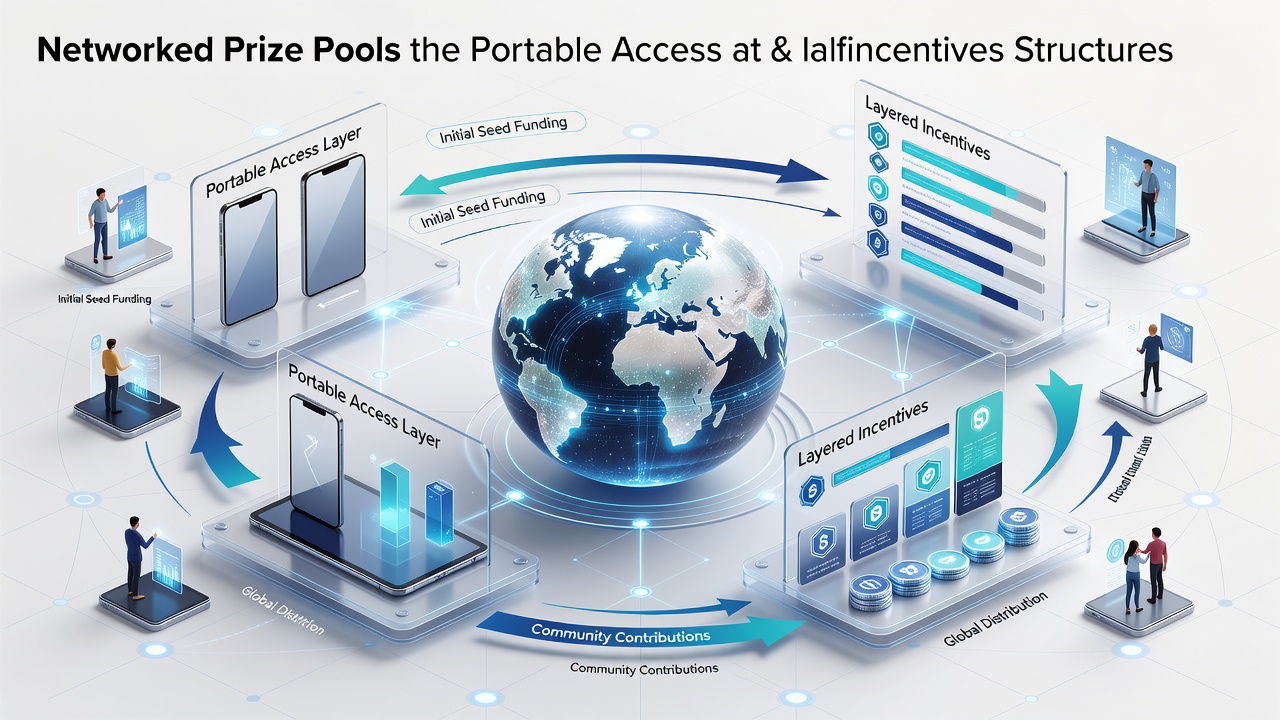
Networked prize pools operate as shared systems where contributions from multiple operators feed into growing jackpots, and these structures continue to adapt as portable access expands reach while layered incentives encourage sustained participation. Data from regulatory bodies in different jurisdictions shows steady integration of mobile platforms that allow players to join from various locations, thereby increasing the rate at which pools accumulate funds. Observers note that portable devices enable real-time updates to pool values, which in turn influences how operators design participation tiers.
Portable Access Expands Reach of Shared Prize Systems
Mobile connectivity has altered how participants enter networked pools, since smartphones and tablets now serve as primary entry points in many markets. According to figures released by the Nevada Gaming Control Board, remote contributions to linked systems rose notably during the first half of 2026, reflecting broader adoption of apps that synchronize bets across state lines where permitted. Those who track participation patterns observe that portable access reduces geographic barriers, allowing pools to draw from wider player bases without requiring physical presence at specific venues.
Operators in Asia-Pacific regions have implemented similar frameworks, and reports from the Australian Communications and Media Authority indicate that mobile-enabled entries accounted for over half of all contributions to certain cross-state prize networks by June 2026. This shift creates continuous inflow rather than periodic spikes tied to land-based events, which stabilizes growth rates for the largest pools. Researchers examining transaction logs find that session lengths on mobile often extend when users receive notifications about approaching thresholds, demonstrating how constant connectivity sustains engagement.
Layered Incentive Structures Drive Consistent Contributions
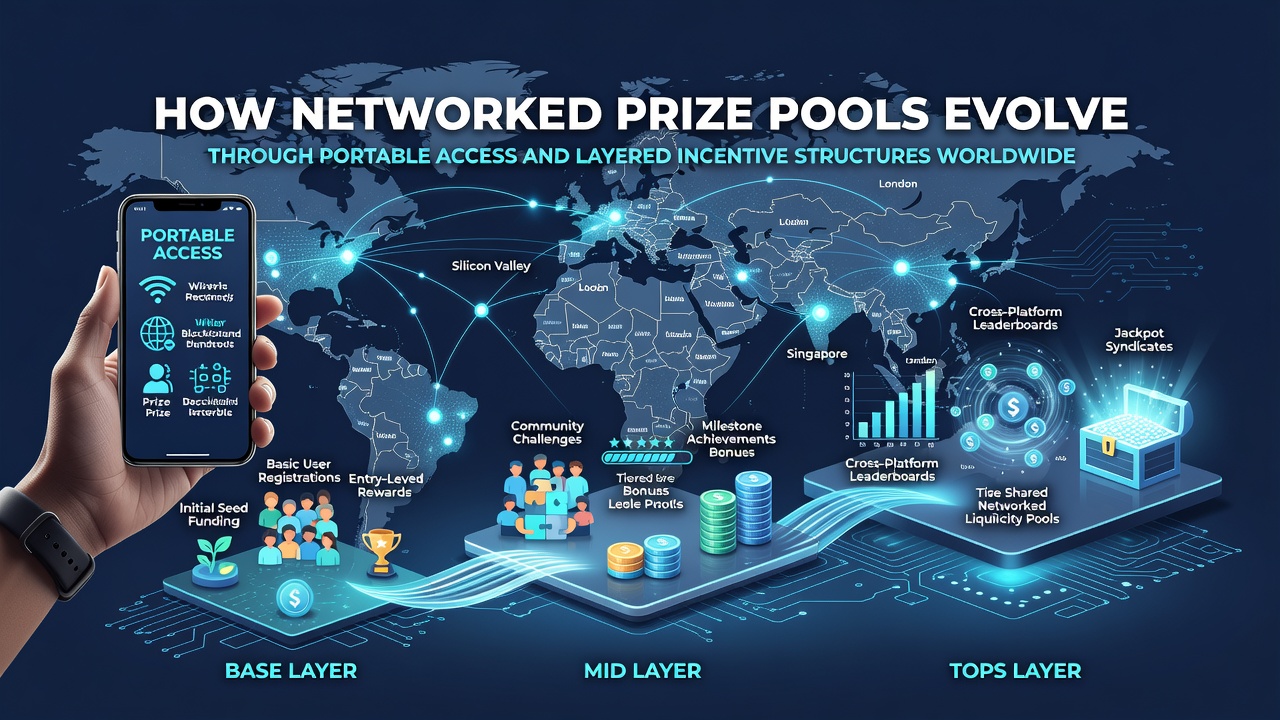
Layered incentives typically combine immediate rewards with longer-term multipliers, and these designs help maintain steady input into networked pools. Participants earn base credits for each wager while additional tiers unlock bonus multipliers or exclusive entry opportunities based on cumulative activity. Industry analyses from the European Gaming and Betting Association reveal that systems offering three or more incentive layers experience higher retention compared to single-tier models, because players advance through visible progress markers that feel achievable.
One study conducted by researchers at the University of Nevada examined contribution data across multiple operators and found that players who unlocked the second incentive tier contributed 37 percent more to shared pools than those remaining at entry level. Such structures often incorporate time-limited challenges that reset periodically, which prevents stagnation and refreshes interest without altering core pool mechanics. Data indicates these layers also segment player groups, allowing operators to target communications that highlight progress toward specific milestones.
Regional Adaptations Reflect Local Regulations and Player Behaviors
Markets apply these principles differently depending on regulatory frameworks, yet the underlying combination of portable access and layered incentives remains consistent. In Canada, provincial authorities have documented increased mobile participation in inter-provincial prize networks, with layered loyalty programs encouraging repeat entries through personalized reward paths. European operators outside the UK have introduced cross-border pooling where permitted, and data from the Malta Gaming Authority shows that mobile-driven contributions grew by 22 percent year-over-year through mid-2026.
Asian markets demonstrate rapid scaling, since portable platforms reach high-density populations efficiently. Observers tracking developments in Singapore and Japan note that operators there integrate incentive layers tied to national gaming regulations, creating pools that accumulate faster due to volume rather than individual bet size. These adaptations show that portable access amplifies the effect of any incentive structure, because notifications and progress tracking travel with the user throughout daily routines.
Technical Infrastructure Supports Ongoing Evolution
Backend systems must handle synchronized updates across thousands of devices while maintaining accurate pool calculations, and recent infrastructure upgrades have enabled this at scale. Software providers now deploy cloud-based ledgers that record contributions instantaneously, reducing latency that previously limited real-time visibility. Those monitoring system performance report fewer discrepancies in pool totals since these upgrades rolled out, which builds participant confidence in the fairness of shared outcomes.
Security protocols have also advanced alongside access methods, incorporating multi-factor verification that travels with mobile accounts. This prevents unauthorized entries while allowing seamless transitions between devices, which supports the layered incentive model by preserving individual progress records. Evidence from technical audits indicates that such measures correlate with higher overall contribution volumes, because players trust the system enough to engage consistently.
Conclusion
Networked prize pools continue evolving as portable access broadens participation and layered incentives sustain input across diverse global markets. Regulatory data from North America, Europe, and Asia-Pacific regions consistently shows mobile platforms accelerating pool growth while tiered rewards maintain long-term engagement. Technical improvements in synchronization and security underpin these changes, ensuring systems remain reliable as they scale. These developments reflect coordinated responses to player behavior patterns observed through transaction and retention metrics worldwide.