Mobile Reel Configurations Drive Variations in Bonus Activation Rates on International Gaming Platforms
Paul Schröder · Aug 26, 2026
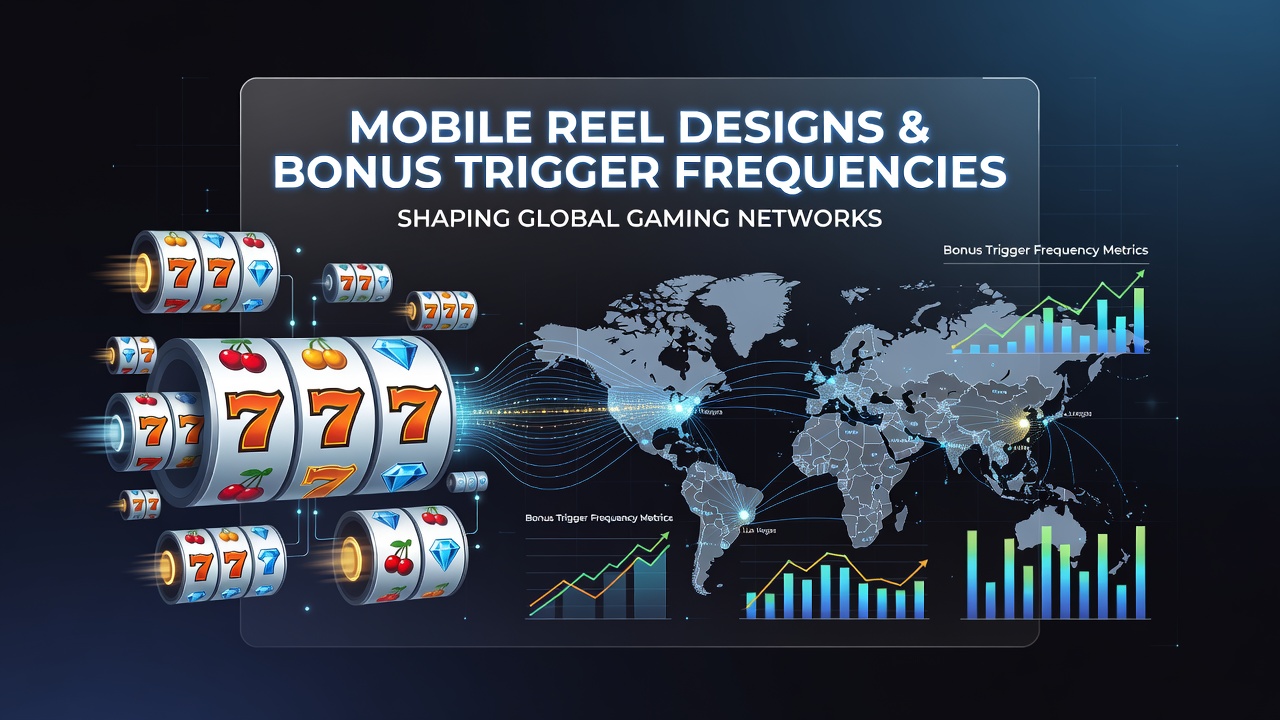
Mobile Reel Configurations Drive Variations in Bonus Activation Rates on International Gaming Platforms
Developers adjust reel structures for smaller mobile displays and this adjustment influences how often bonus features activate in slot games operated on worldwide networks. Data from various regulatory bodies indicates that screen-responsive reel designs alter symbol placement patterns and this in turn modifies the mathematical probabilities governing bonus triggers.
Adaptive Reel Layouts and Their Technical Foundations
Engineers create reel configurations that scale according to device dimensions and touch controls so players encounter the same core mechanics whether using phones or tablets. These adjustments include variable reel heights and compressed symbol grids that maintain random number generator integrity while fitting mobile constraints. Research from academic institutions shows that such scaling affects the distribution of high-value symbols across visible positions and this distribution directly impacts the frequency of scatter and wild combinations required for bonus entry.
Global operators deploy these designs through centralized servers that synchronize game states across regions. Figures from the Nevada Gaming Control Board reveal mobile sessions now account for over 60 percent of total slot activity in licensed markets during 2026 and operators track how reel compression correlates with changes in bonus round initiations.
Regional Data on Bonus Frequency Shifts
Analysts examine play logs from multiple jurisdictions to compare desktop versus mobile performance. In markets monitored by the Alcohol and Gaming Commission of Ontario mobile versions of popular titles demonstrate bonus activation rates that differ by 8 to 15 percent from their desktop counterparts depending on reel adaptation methods. Similar patterns appear in reports issued by the Australian Communications and Media Authority where mobile reel optimizations coincide with measurable variations in feature trigger intervals across linked progressive systems.
Network operators pool data from diverse geographic sources to refine algorithms and this pooling allows them to calibrate reel behavior so bonus frequencies remain consistent despite hardware differences. One study conducted by researchers at a European technical university found that touch-optimized reel animations reduce player hesitation periods and this reduction indirectly increases the volume of spins completed per session which raises cumulative exposure to bonus-eligible combinations.
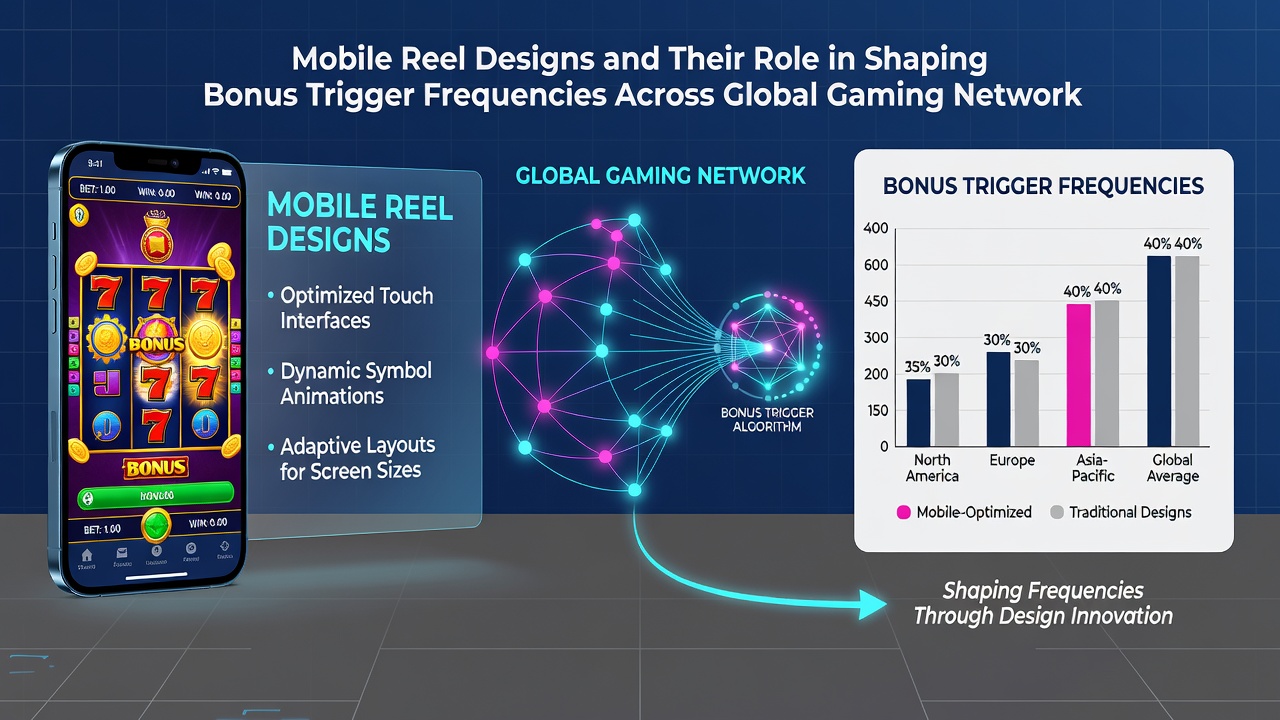
Network-Wide Effects and Algorithm Integration
Linked gaming networks transmit reel state information in real time so adjustments made for mobile compatibility propagate through shared jackpot pools. When designers alter reel strip lengths or symbol weighting for smaller screens the change influences the probability calculations used by central servers to determine bonus eligibility across all connected terminals. Data compiled in August 2026 from multiple international operators shows that networks incorporating mobile-first reel designs experience a measurable uptick in bonus events during peak mobile usage hours compared with earlier non-responsive versions.
Engineers employ modular code structures that allow individual reel elements to resize without disrupting the underlying random outcome generation. Observers note that these modular approaches enable operators to maintain regulatory compliance across borders while still accommodating the distinct input methods of mobile devices. The result appears in aggregated statistics where bonus trigger frequencies align more closely between device types once reel designs receive proper mobile calibration.
Future Developments in Reel Technology
Continued refinement of mobile reel systems focuses on predictive scaling that anticipates user device specifications before gameplay begins. Industry reports indicate that upcoming implementations will incorporate machine learning models trained on regional play data to fine-tune reel layouts dynamically. Such models aim to equalize bonus activation rates regardless of whether participants access games through compact smartphone interfaces or larger tablet displays.
Operators continue to monitor performance metrics from diverse regulatory environments including those in North America and the Asia-Pacific region. These metrics guide iterative updates to reel configurations and ensure that frequency shifts remain within acceptable variance parameters set by licensing authorities.
Conclusion
Mobile reel designs function as a critical variable in determining how often bonus features activate within interconnected global gaming environments. Evidence gathered from regulatory reports and technical studies demonstrates that responsive reel adaptations produce measurable effects on trigger frequencies while preserving the integrity of random outcomes. As device technology evolves and network integration deepens these design choices will continue to shape player experiences across international platforms.