Linked Prize Pools Expanding the Scale of Wins in Virtual Gaming Environments
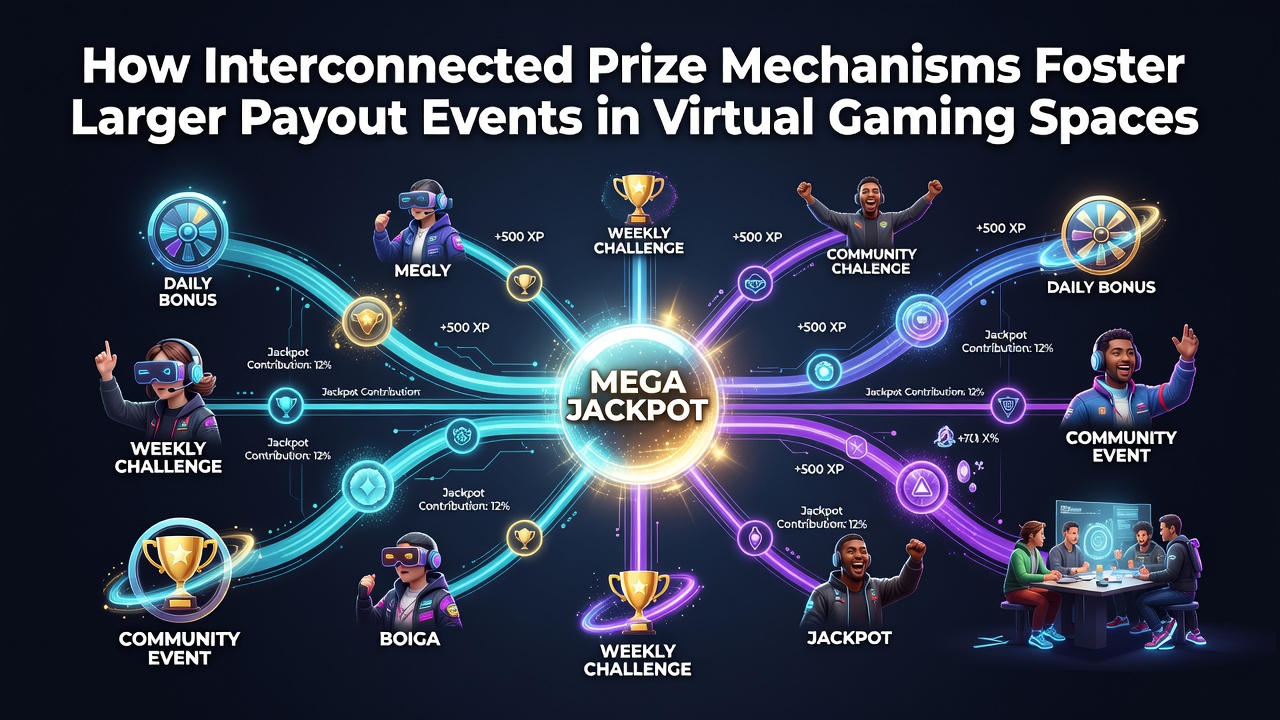
Linked prize pools operate by combining contributions from numerous individual games and players across separate virtual platforms, which creates a single accumulating fund that grows faster than isolated systems can achieve on their own. Operators connect multiple titles through centralized servers so that each wager adds a fraction to the shared total, and this structure produces payout events that reach higher values at quicker intervals than standalone progressives allow.
Mechanics Behind Pooled Reward Accumulation
Each participating game allocates a small percentage of every bet to the common pool while the remainder supports base game returns and operator margins. When thousands of sessions run simultaneously across regions the contributions multiply rapidly, and data from the Nevada Gaming Control Board shows that multi-site progressives in regulated markets have generated several multi-million dollar awards annually since the early 2000s. The trigger occurs when a qualifying spin lands on any connected machine, at which point the entire accumulated amount pays out to that single player and the pool resets or begins rebuilding from a seed amount.
Global Reach and Contribution Volume
Virtual gaming networks extend these connections beyond single jurisdictions so that players in different countries feed the same jackpot simultaneously. One major progressive title collected wagers from over thirty markets in 2025, and industry reports indicate that daily contributions exceeded several hundred thousand dollars during peak periods. Because the pool draws from a wider player base the time between large payouts shortens compared with local-only systems, and records compiled through mid-2026 reflect continued growth in average pool sizes across interconnected platforms.
Comparison With Standalone Jackpot Structures
Standalone machines maintain separate accumulating totals limited to activity on that specific title or venue, which caps growth rates at lower levels. Linked systems bypass this constraint by aggregating activity from dozens or hundreds of games at once, and researchers at the University of Nevada, Reno have documented that interconnected configurations reach seven-figure thresholds multiple times per year while isolated machines rarely exceed mid-six figures within comparable timeframes. The difference arises directly from the expanded contribution surface rather than from changes in individual bet sizes or volatility settings.

Regulatory Oversight Across Jurisdictions
Regulators in multiple regions require transparent reporting of pool balances, seed values, and contribution rates to ensure fairness and proper accounting. The Alcohol and Gaming Commission of Ontario, for example, mandates real-time monitoring of linked systems operating within its licensed market, while Australian state authorities apply similar disclosure rules for network jackpots offered to local players. These requirements create standardized data streams that allow observers to track how interconnection affects payout frequency and magnitude over successive quarters.
Player Behavior and Participation Patterns
Participants often select linked titles because the visible meter displays larger numbers than those shown on non-connected games, and session data collected by platform operators indicate longer average play durations on progressive variants. The anticipation created by a steadily rising total influences decision-making without altering underlying return-to-player percentages, which remain fixed by game mathematics regardless of whether the jackpot sits in isolation or within a shared network. June 2026 figures from several North American operators showed sustained engagement levels on interconnected products even as overall session counts fluctuated with seasonal trends.
Technical Infrastructure Supporting Scale
Central servers synchronize contributions across client devices in milliseconds, and redundancy protocols maintain pool integrity during high-traffic events or maintenance windows. Software providers implement cryptographic verification steps that confirm each wager reaches the correct pool before the next spin resolves, and these systems scale horizontally as additional games join the network. The result is continuous growth that does not require proportional increases in individual operator investment yet still delivers larger payout events when triggers occur.
Conclusion
Interconnected prize mechanisms increase payout scales by expanding the number of wagers feeding each pool, shortening accumulation periods, and enabling awards that exceed those possible under standalone configurations. Regulatory frameworks in multiple jurisdictions maintain oversight through mandatory reporting and monitoring, while technical systems ensure accurate tracking and secure distribution of funds. Data from government agencies and academic sources confirm that these networked structures produce larger and more frequent top-tier events across virtual gaming spaces.