Cross-Border Player Pools Expand Accumulators in Networked Reel Systems
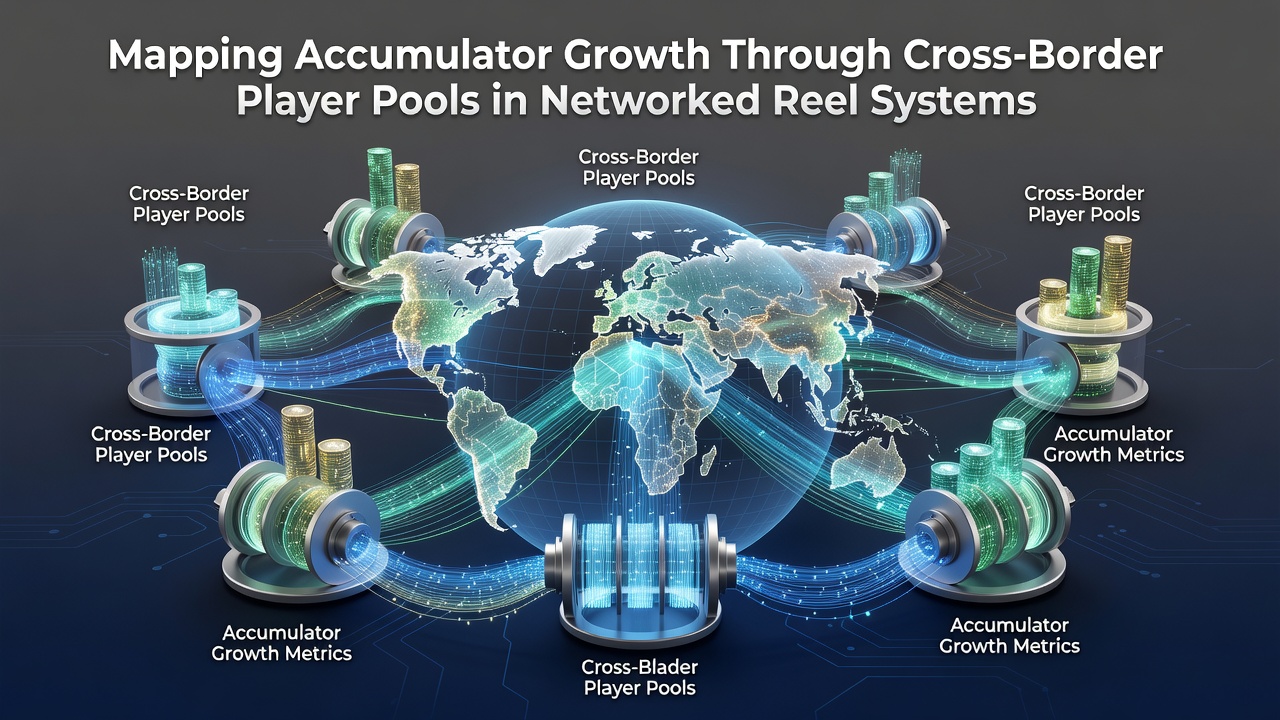
Networked reel systems connect slot machines across multiple jurisdictions so that a portion of each wager contributes to shared accumulators, and observers track these pools through detailed mapping of contribution rates from different regions. Data from various regulatory sources shows that cross-border linkages allow accumulators to grow faster than isolated systems because player volume increases without requiring higher individual stakes.
Mechanics of Cross-Border Pooling
Operators link machines through centralized servers that calculate contributions in real time, and each participating jurisdiction sets its own percentage allocation while the overall pool aggregates bets from all connected sites. Researchers note that this structure relies on standardized communication protocols to ensure accurate tracking across borders, and studies from industry reports confirm that contribution percentages typically range between one and three percent of total wagers depending on game configuration.
Mapping accumulator growth requires monitoring data streams from each region because fluctuations in player activity directly influence the rate of increase. Figures from the Nevada Gaming Control Board indicate that interstate connections in the United States have produced measurable differences in pool sizes compared with single-state operations, and similar patterns appear in other markets where regulatory frameworks permit such linkages.
Regional Contribution Patterns
Player pools from high-volume markets tend to dominate accumulator growth, yet smaller regions still add steady increments that compound over time. Analysts examine transaction logs to separate contributions by country or province, and this breakdown reveals seasonal variations tied to tourism peaks or local events. Data collected through June 2026 shows continued expansion in several multi-jurisdictional networks, with accumulators reaching new thresholds during periods of elevated cross-border play.
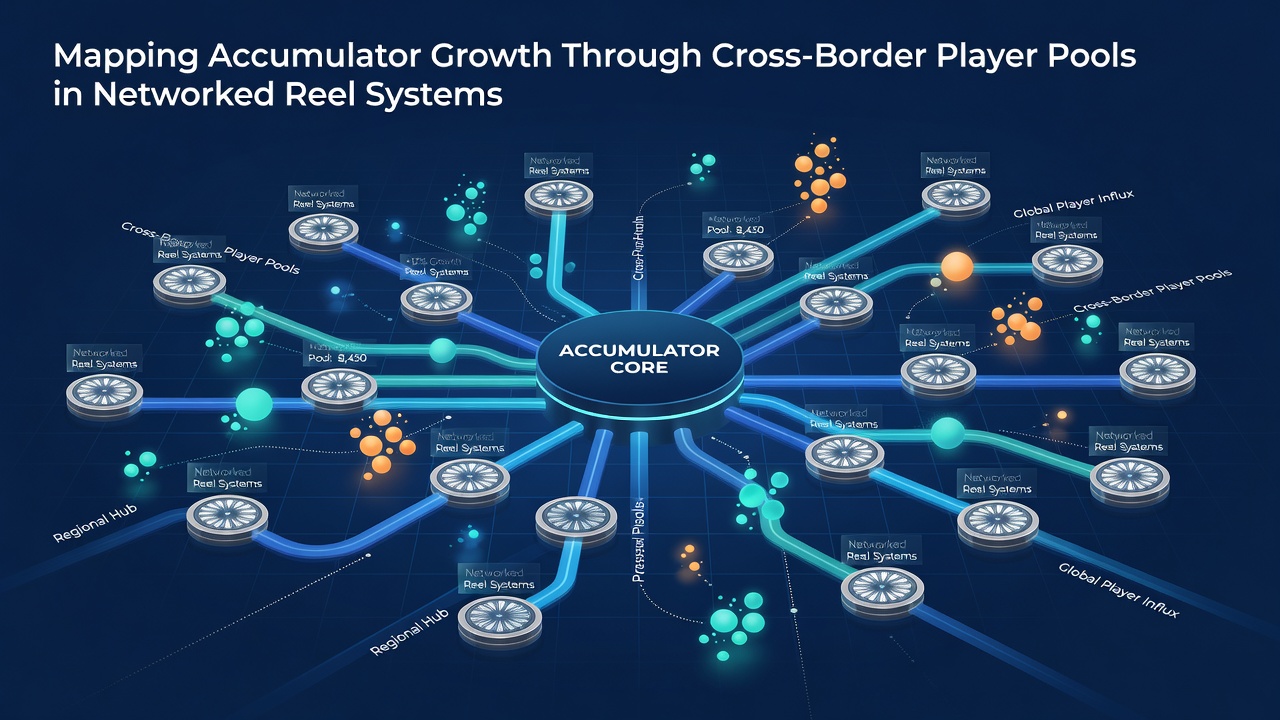
One case involves European operators who pool bets from multiple countries under harmonized rules, and reports from the European Gaming and Betting Association highlight how these arrangements distribute risk while accelerating pool growth. Mapping tools overlay contribution heat maps on geographic grids so operators can identify which player segments drive the fastest increases.
Tracking and Visualization Methods
Specialized software aggregates data feeds from each networked site and generates time-series graphs that display accumulator trajectories, and these visualizations help identify anomalies such as sudden spikes caused by large bet clusters. Technicians calibrate the mapping systems to account for currency conversions and regulatory caps that differ by jurisdiction, ensuring the displayed growth figures remain comparable across borders.
Academic examinations of networked systems have documented how latency in data transmission can affect real-time accuracy, although improvements in server infrastructure have reduced such delays in recent deployments. Observers continue to refine algorithms that predict future pool sizes based on historical contribution rates from each participating region.
Regulatory and Technical Considerations
Jurisdictions maintain oversight through mandatory reporting of pool balances and contribution percentages, and operators must demonstrate compliance with local tax and audit requirements even when funds are pooled internationally. Technical standards developed by gaming associations specify encryption and reconciliation procedures that prevent discrepancies when machines in different time zones feed into the same accumulator.
Through mid-2026, several networks reported incremental growth tied to expanded player bases rather than changes in individual wagering limits, and mapping exercises have helped regulators verify that cross-border flows align with approved parameters. Continued adoption of these systems depends on sustained cooperation among oversight bodies in each connected market.
Conclusion
Cross-border player pools have become a standard feature in many networked reel systems because they distribute contributions across wider player bases and accelerate accumulator expansion. Mapping techniques provide the visibility needed to monitor regional inputs and maintain operational integrity, and data from multiple sources continues to document steady growth patterns as of June 2026. These arrangements illustrate how interconnected infrastructure reshapes traditional accumulator dynamics while remaining subject to distinct regulatory frameworks in each jurisdiction.